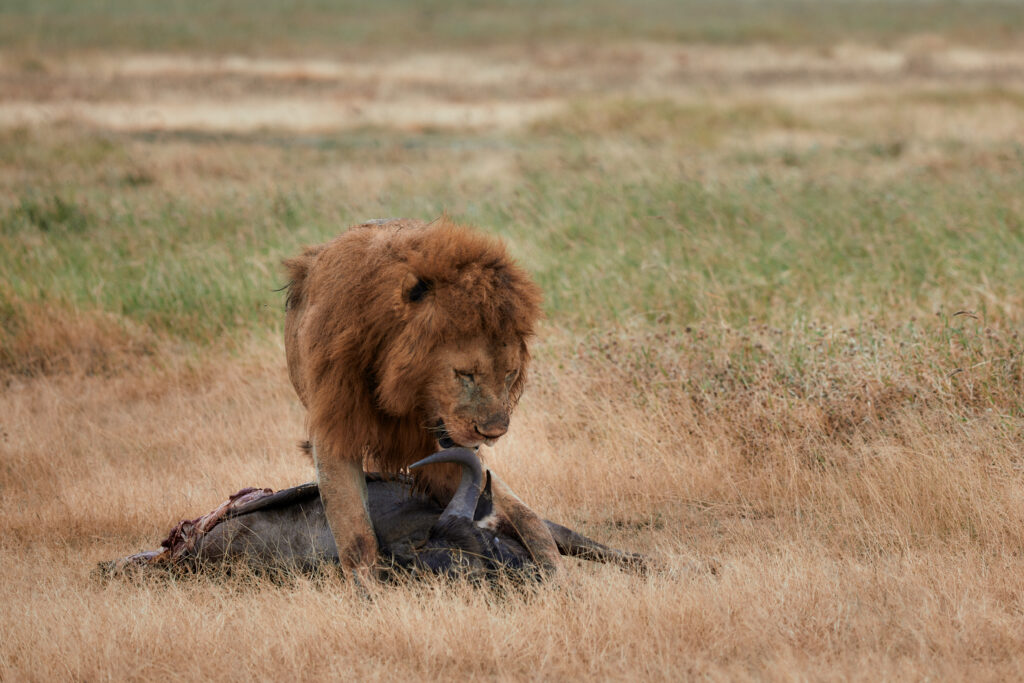
Planning a safari in Tanzania can be one of the most exciting travel experiences, yet selecting the perfect destination may feel challenging with so many incredible parks to choose from. Serengeti National Park remains a leading choice because of its immense landscapes, remarkable wildlife populations, and legendary Great Wildebeest Migration. Here, travelers can explore endless savannahs, encounter Africa’s iconic animals, and stay in exceptional safari camps surrounded by nature. Whether you dream of a luxury adventure, a private journey, or a wildlife-focused holiday, a Serengeti safari offers an extraordinary combination of adventure, comfort, natural beauty, and unforgettable encounters.
Every year, visitors from around the world travel to Tanzania to experience the magic of Serengeti through exciting game drives, guided wildlife experiences, and nights spent beneath Africa’s star-filled skies. The park offers something for every type of traveler, from first-time safari guests and families to photographers and honeymooners. Planning your journey carefully helps you choose the right season, accommodation, and safari style for your interests. Understanding the migration cycle, travel distances, and park regions can also improve your experience. This guide explores everything you need to know when planning unforgettable Serengeti National Park safari tours in Tanzania.
Why Serengeti National Park Is Tanzania’s Ultimate Safari Destination
Serengeti National Park is one of Africa’s most remarkable natural landscapes and a destination that represents the classic image of an African safari. Located in northern Tanzania, this vast protected ecosystem features open grasslands, acacia-dotted plains, rivers, rocky outcrops, and woodland habitats. Its extraordinary size creates an incredible sense of freedom and wilderness, with landscapes stretching far beyond the horizon. The park is famous not only for its scenic beauty but also for the exceptional number and variety of animals living within its ecosystems. Every game drive brings new opportunities to observe wildlife and experience the changing rhythms of the African wilderness.
The name Serengeti is commonly associated with the Maasai description of an endless or vast landscape, perfectly reflecting the seemingly limitless plains that define this iconic destination. What makes the park especially remarkable is the combination of dramatic scenery and consistently rewarding wildlife encounters. Visitors can search for lions resting in the grass, watch elephants crossing open plains, observe cheetahs scanning the horizon, and encounter enormous herds of grazing animals. Seasonal changes bring new wildlife movements and different landscapes, ensuring that no two safaris feel exactly the same. Serengeti remains rewarding throughout the year, offering fresh discoveries during every visit.
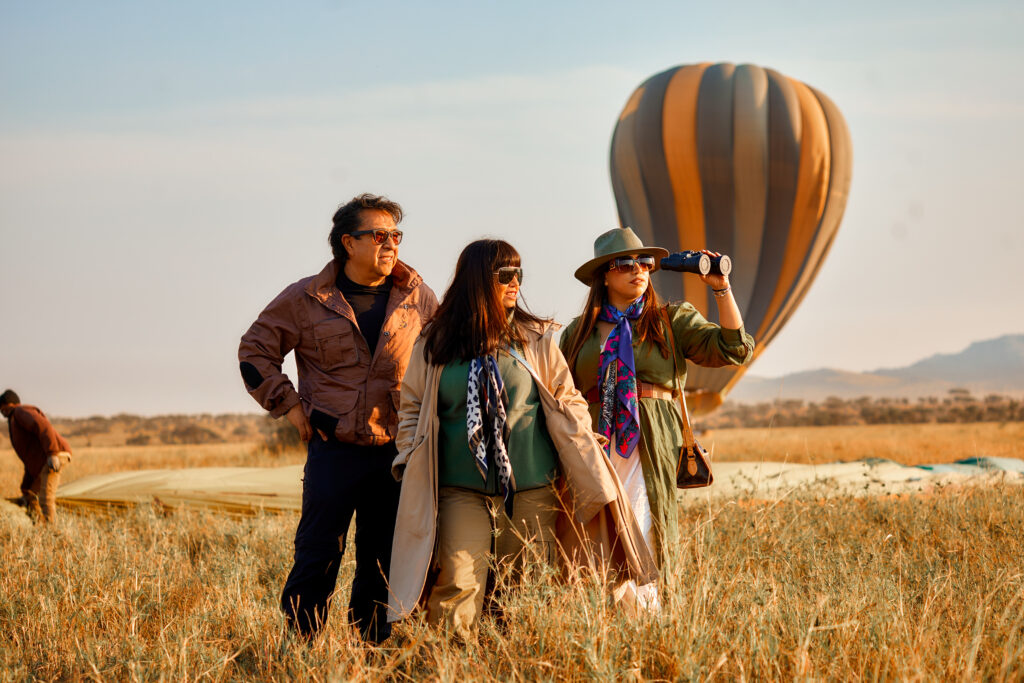
A Serengeti safari can include professionally guided game drives, opportunities to search for the Big Five, seasonal migration viewing, hot-air balloon experiences, luxury accommodation, and exceptional photography. Experienced guides understand the landscape and use their knowledge to locate wildlife while explaining animal behavior and the wider ecosystem. Travelers can choose sunrise drives when predators and other animals may be active or enjoy afternoon excursions as the light softens across the plains. Accommodation ranges from simple camps to exclusive luxury lodges, allowing visitors to select an experience that suits their travel style. This remarkable variety makes Serengeti suitable for almost every kind of safari traveler.
Understanding the Great Wildebeest Migration
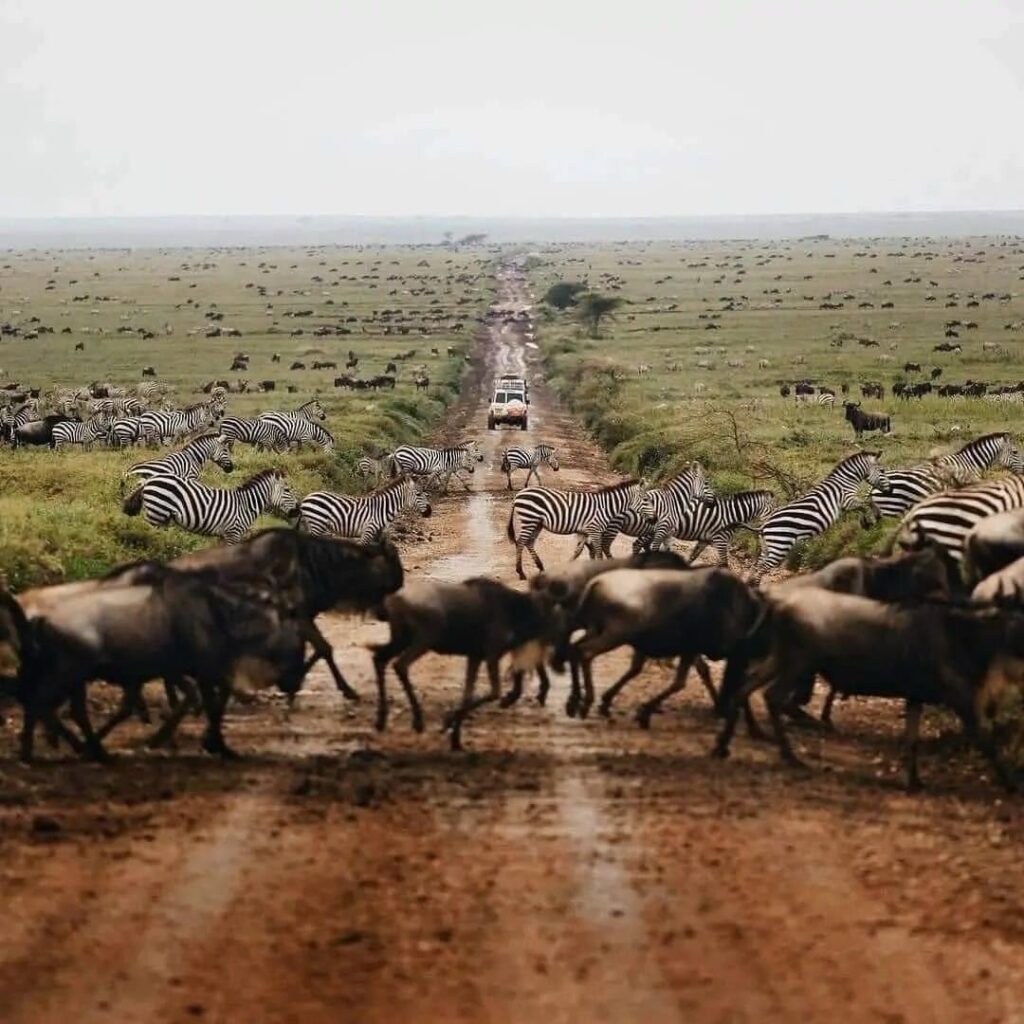
The Great Wildebeest Migration is one of the main reasons Serengeti National Park is considered among the world’s greatest wildlife destinations. This extraordinary natural movement involves vast herds of wildebeest traveling through the wider Serengeti ecosystem alongside zebras and gazelles. Their journey follows changing rainfall patterns and the search for fresh grazing areas and water. Predators follow the movement of the herds, creating exceptional opportunities to observe the relationship between prey and predators. Lions, cheetahs, leopards, hyenas, and crocodiles all play a role in this constantly changing ecosystem. The migration is not a single event but a continuous cycle influenced by nature.
December to March – Calving Season
From approximately December to March, large numbers of wildebeest gather across the southern Serengeti and nearby plains where the rich grasslands provide ideal conditions for calving. Thousands of young animals are born during this remarkable period, creating an extraordinary wildlife spectacle. The abundance of newborn calves also attracts predators, making this season particularly rewarding for travelers interested in animal behavior and wildlife photography. Lions, cheetahs, hyenas, and other predators take advantage of the increased prey. Beyond the wildlife action, the landscapes are often beautifully green, creating excellent photographic conditions and a fresh, vibrant atmosphere across the southern plains.
April to June – Moving Through Central and Western Serengeti
As seasonal conditions change, the migration gradually begins moving through central areas and toward the western Serengeti. Large concentrations of animals can create spectacular scenes as herds travel across open grasslands and gather near important water sources. This period offers travelers an opportunity to experience the migration in a changing landscape while often enjoying a different atmosphere from the busiest travel months. Depending on rainfall and wildlife movement, the exact location of the herds can vary. A well-planned itinerary and knowledgeable guide are particularly valuable during this season, helping travelers explore the areas where wildlife activity is strongest.
July to October – Northern Migration and River Crossings
Between approximately July and October, many travelers hope to witness the dramatic river crossings associated with the northern Serengeti and the wider Mara ecosystem. Large herds gather near rivers before attempting to cross, creating tense and unpredictable wildlife moments. Crocodiles and strong currents add to the challenges faced by the migrating animals, while predators may also wait nearby. However, wildlife movements follow natural conditions and crossings cannot be guaranteed on a specific day. Patience is often essential, and the waiting itself becomes part of the experience. This period is highly popular, so advance planning is important.
November – Returning Toward the Southern Plains
During November, seasonal rains can encourage the migration to begin moving back toward the southern plains, continuing the remarkable yearly cycle. The landscape gradually changes as fresh grass becomes available in new areas, attracting large herds southward. This transition period can provide rewarding wildlife viewing and beautiful green scenery after the dry season. Visitor numbers may also differ from the busiest migration months, creating a more relaxed safari atmosphere in some locations. Because the migration is driven by rainfall and environmental conditions, its timing can vary. Travelers should remain flexible and plan with operators who closely monitor current wildlife movements.
Types of Serengeti Safari Tours
Serengeti offers a wide variety of safari styles, making it possible to design an experience around your budget, comfort expectations, and preferred level of privacy. Luxury travelers may choose exclusive camps with exceptional service, while mid-range visitors can enjoy comfortable lodges and professional guiding at a more accessible price. Budget camping safaris focus on adventure and value, offering an immersive experience closer to nature. Private safaris provide complete flexibility over daily schedules and routes. Before booking, consider what matters most to you, including accommodation quality, group size, photography opportunities, travel pace, and whether you want a personalized or shared wildlife experience.
Luxury Serengeti Safari Tours
Luxury Serengeti safaris combine extraordinary wildlife experiences with premium accommodation and highly personalized service. Travelers may stay in elegant lodges or exclusive tented camps featuring spacious suites, private decks, excellent dining, and carefully designed interiors. Some camps are positioned strategically near seasonal wildlife activity, reducing travel time and maximizing opportunities for memorable game viewing. Private vehicles and customized schedules can add even greater flexibility. Luxury safaris are especially popular with honeymooners, families, photographers, and travelers celebrating special occasions. The experience allows guests to spend their days exploring the wilderness before returning to comfort, privacy, and exceptional hospitality.
Mid-Range Serengeti Safari Packages
Mid-range safari packages offer an excellent balance between comfort, quality, and value. Travelers can stay in comfortable lodges or well-equipped tented camps while enjoying guided game drives with knowledgeable safari professionals. These packages are ideal for visitors who want a rewarding Serengeti experience without the higher costs associated with exclusive luxury properties. Accommodation generally includes private rooms, quality meals, and convenient access to major safari areas. Professional guiding remains a central part of the experience, helping guests locate wildlife and understand the ecosystem. For couples, families, and first-time safari travelers, mid-range safaris can provide excellent comfort and memorable wildlife experiences.
Budget Camping Safaris
Budget camping safaris are ideal for adventurous travelers who want to experience Serengeti while keeping overall costs lower. These tours may involve shared safari vehicles, group travel, and comfortable camping accommodation, creating a social and immersive atmosphere. Although the level of luxury is simpler, the wildlife experience remains the central focus. Travelers still explore remarkable landscapes, enjoy guided game drives, and search for Africa’s most iconic animals. Camping also provides a special connection to the wilderness, particularly when spending evenings beneath the stars. This safari style suits guests who prioritize adventure, wildlife, and value while remaining comfortable with a more basic travel experience.
Private Serengeti Safaris
Private safaris offer complete control over your Serengeti adventure, allowing you to travel at a pace that suits your interests. With your own safari vehicle and dedicated guide, you can decide when to begin game drives, how long to remain at wildlife sightings, and which experiences deserve more attention. This flexibility is especially valuable for photographers, families, couples, and travelers seeking greater privacy. A private itinerary can also be designed around the seasonal migration or specific wildlife interests. Combined with carefully selected accommodation, a private Serengeti safari creates a personalized journey that can be adjusted to provide the best possible experience.
Best Time to Visit Serengeti National Park
The best time to visit Serengeti depends on the type of experience you want rather than one universally perfect season. Wildlife can be found throughout the year, but landscapes, weather conditions, visitor numbers, and migration locations change over time. Travelers interested in river crossings may focus on the northern migration period, while those hoping to see newborn wildebeest may choose the southern calving season. The dry months are popular for general wildlife viewing, while greener months can offer dramatic scenery and fewer visitors. Understanding your priorities before selecting travel dates helps you choose the Serengeti experience that best matches your expectations.
June to October – Popular Safari Season
The period from June to October is widely chosen by travelers because drier conditions can make wildlife easier to observe in many areas. Vegetation may be less dense, and animals often concentrate around important water sources. This period can also coincide with major stages of the Great Migration, particularly in the western and northern regions depending on seasonal conditions. Clear skies and comfortable daytime weather can make game drives especially enjoyable. However, popular camps and lodges often experience high demand, particularly around key migration locations. Booking well in advance gives travelers greater choice and flexibility when planning their Serengeti safari.
November to March – Green Landscapes and Calving
The months between November and March can offer a completely different Serengeti experience, with greener landscapes, dramatic skies, and important stages of the migration cycle. As the herds move south, the region becomes particularly rewarding for travelers interested in calving and predator activity. Fresh vegetation can create beautiful scenery and excellent photographic opportunities, while visitor numbers may be lower than during certain peak periods. This season is ideal for travelers who enjoy observing animal behavior and young wildlife. Conditions can vary depending on rainfall, but the changing landscape and active wildlife create a rewarding and memorable safari atmosphere.
April and May – A Quieter Value Season
April and May are often considered quieter months for safari travel, offering potential value opportunities at selected accommodations. Seasonal rains can transform the plains into rich green landscapes and create dramatic skies that appeal to photographers. Wildlife remains present, although road conditions and travel patterns may vary depending on the weather. The reduced number of visitors can provide a greater feeling of privacy and wilderness in some areas. Travelers considering this period should choose suitable accommodation and work with experienced operators who understand seasonal conditions. For flexible visitors, these months can offer a beautiful and rewarding Serengeti experience.
What Is Included in Serengeti Migration Tour Packages?
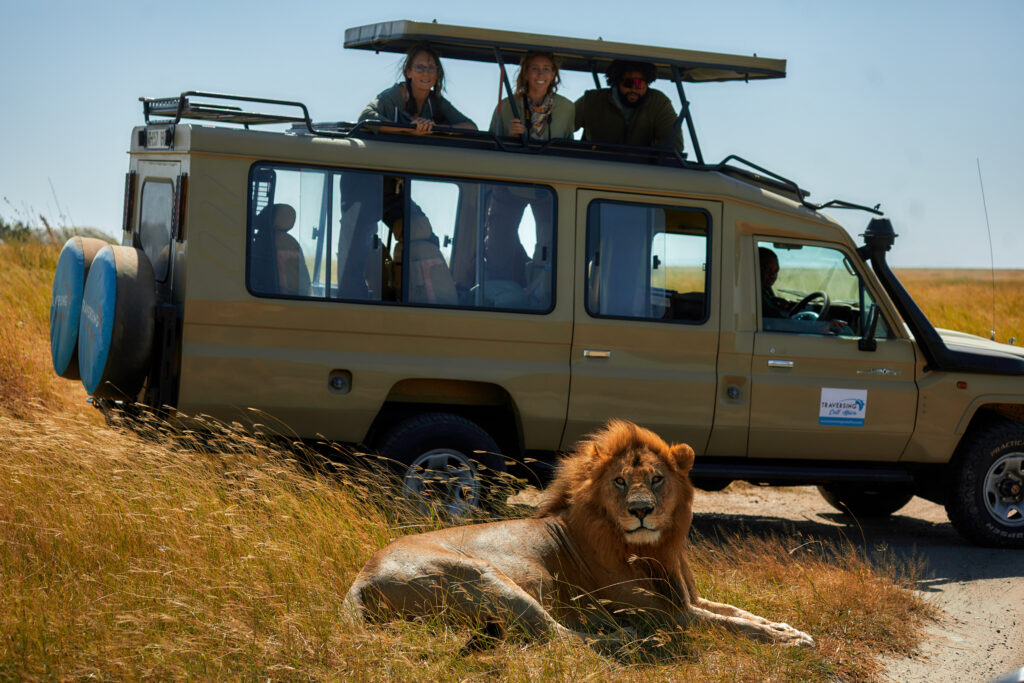
Most Serengeti safari packages combine essential services to create a smooth and convenient travel experience. Accommodation may range from mobile camps that follow seasonal wildlife activity to permanent luxury lodges in established safari areas. Transportation is usually provided in purpose-built safari vehicles designed for wildlife viewing, often with raised seating and large windows. Professional guides accompany travelers throughout the journey, using their knowledge of the landscape and animal behavior to improve wildlife viewing opportunities. Meals are commonly included during the safari, while many packages also cover park and conservation fees, scheduled game drives, and essential transfers between destinations.
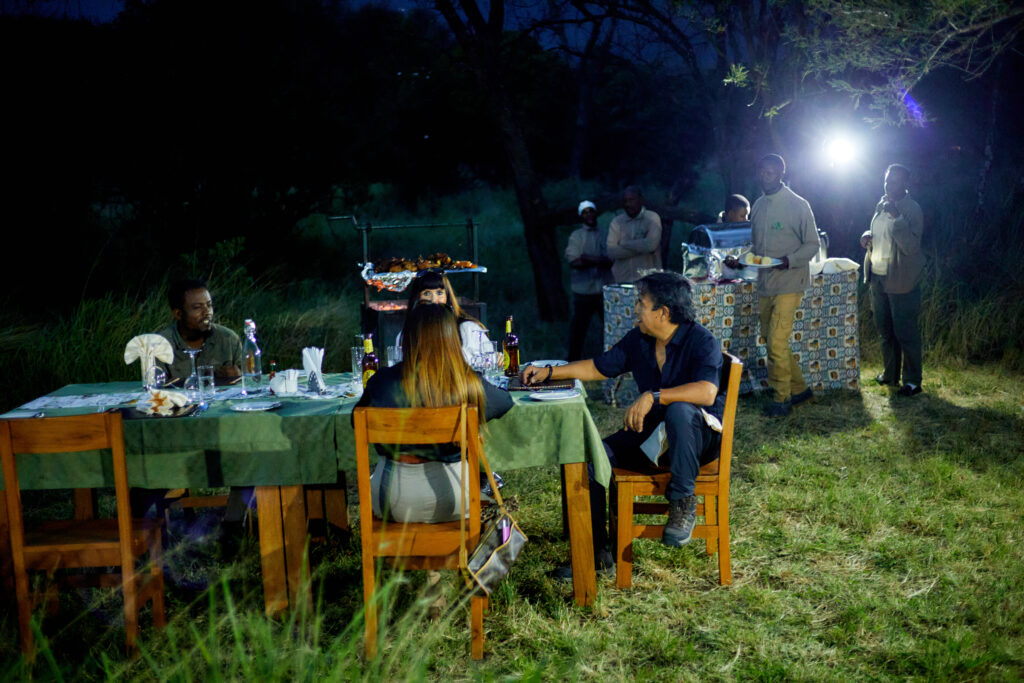
Although inclusions vary by operator, travelers should always review their itinerary carefully before confirming a booking. International flights, travel insurance, visas, tips, alcoholic beverages, personal purchases, and optional activities may not be included in the advertised safari price. Some premium experiences, such as hot-air balloon flights or private bush dinners, may also require additional payment. Understanding these details helps travelers compare packages accurately and avoid unexpected expenses during their journey. A transparent safari proposal should clearly explain accommodation, transport, meals, activities, park fees, and exclusions, allowing you to understand exactly what is included in your Serengeti adventure.
Wildlife You Can Expect to See
Serengeti supports one of the richest and most diverse wildlife populations in Africa, making every game drive an opportunity for discovery. In addition to the vast migration herds, travelers may encounter lions, cheetahs, leopards, elephants, buffalo, giraffes, zebras, hyenas, hippos, crocodiles, and numerous antelope species. Wildlife sightings naturally vary by location, season, weather, and animal movement, which makes each day different. Experienced guides carefully read tracks, alarm calls, and environmental signs to increase the chances of finding interesting animals. Even between major sightings, the Serengeti landscape itself provides an extraordinary setting for observing the natural world.
Big Cats of Serengeti
Serengeti is particularly famous for its impressive predator populations. Lions are often seen resting in the shade, moving across open grasslands, or watching potential prey. Cheetahs favor open areas where their exceptional speed can be used during hunts, while leopards are more elusive and may be found near trees or riverine habitats. These three big cats provide some of the most sought-after wildlife sightings in Africa. Observing their different behavior, habitats, and hunting strategies adds depth to the safari experience. Early mornings and cooler hours can be especially rewarding for travelers hoping to encounter active predators.
Elephants, Buffalo and Rhinos
Large elephants can be seen moving through different Serengeti habitats, often traveling in family groups and displaying fascinating social behavior. African buffalo are also common and may be encountered grazing in open areas or gathering near water. Rhinos are much rarer and more difficult to locate, making any sighting particularly special. Wildlife distribution varies across the ecosystem, and no specific animal can be guaranteed during a safari. A skilled guide can help identify the most suitable areas based on recent activity and seasonal conditions. These remarkable animals contribute to the diversity and excitement of every Serengeti wildlife experience.
Birdlife and Smaller Wildlife
Serengeti is also a rewarding destination for birdwatchers and travelers interested in wildlife beyond the famous large mammals. The ecosystem supports hundreds of bird species, including raptors, waterbirds, colorful smaller species, and the distinctive ostrich. During game drives, visitors may also encounter jackals, warthogs, mongoose, monkeys, reptiles, and a variety of antelope. These smaller animals often create some of the most interesting moments of a safari because they reveal the complexity of the ecosystem. Taking time to appreciate all forms of wildlife, rather than only searching for famous species, creates a richer and more complete Serengeti experience.
Essential Tips Before Booking Your Serengeti Safari
Choosing an experienced safari operator can make a significant difference to your overall experience. Local knowledge helps guides select productive wildlife areas, understand seasonal migration movements, and manage travel logistics efficiently. Before booking, ask where you will stay and how far your accommodation is from major wildlife areas. Camp location is particularly important during the migration because the herds move throughout the year. Review your itinerary carefully to understand daily driving distances and ensure the schedule allows enough time for meaningful game drives. A well-designed safari should balance travel with wildlife viewing and relaxation.
Pack practical clothing in neutral colors that is comfortable for warm days and cooler mornings. Bring sunscreen, sunglasses, a hat, binoculars, and suitable camera equipment with extra batteries or charging options. Comfortable shoes are useful for lodge activities and transfers, although extensive walking is not normally part of standard game drives. If you are visiting during a popular migration period, book early to secure your preferred camps and travel dates. It is also helpful to remain flexible because wildlife follows natural conditions rather than a fixed timetable. The best safari experiences often come from allowing nature to surprise you.
Combine Serengeti with Other Tanzania Destinations
Many travelers choose to extend their Serengeti safari by visiting other destinations within Tanzania’s northern circuit. Ngorongoro Crater adds concentrated wildlife viewing within a spectacular volcanic landscape, while Tarangire National Park offers impressive elephant herds, ancient baobabs, and a quieter safari atmosphere. Lake Manyara provides diverse habitats and excellent birdlife, creating additional variety within the itinerary. After several days of adventure in the wilderness, Zanzibar offers an opportunity to relax beside the Indian Ocean. Combining multiple destinations creates a journey with different landscapes, wildlife experiences, accommodation styles, and activities, making your Tanzania holiday feel more complete and well balanced.
Choosing a Serengeti National Park safari tour means experiencing one of the world’s greatest wildlife destinations. From the drama of predator encounters and the vast movements of the Great Wildebeest Migration to peaceful sunsets across endless grasslands, every day offers something remarkable. The key to creating the right safari is understanding the seasons, selecting accommodation carefully, and choosing an itinerary that matches your travel goals. Whether you prefer luxury, mid-range, private, or adventure camping experiences, Serengeti offers exceptional possibilities. With thoughtful planning and expert guidance, your journey can become a deeply memorable African adventure filled with extraordinary wildlife moments.