There are few adventures as captivating as exploring Kenya and Tanzania on a single safari journey. Together, these two East African destinations offer an extraordinary combination of vast savannahs, diverse ecosystems, abundant wildlife, and rich cultural heritage. From the dramatic plains of the Masai Mara to the endless landscapes of Serengeti, every destination brings a different perspective of Africa. Travelers can enjoy thrilling game drives, spectacular sunsets, encounters with local communities, and unforgettable wildlife moments. A combined Kenya and Tanzania safari is ideal for couples, families, photographers, honeymooners, and first-time visitors looking for an authentic and rewarding African adventure.
Why Choose a Kenya and Tanzania Safari?
Combining Kenya and Tanzania allows travelers to experience two of East Africa’s most celebrated safari destinations in one journey. Each country offers distinctive landscapes, wildlife habitats, and safari experiences. Kenya provides the famous Masai Mara, spectacular scenery, and excellent opportunities to observe predators and seasonal wildlife movements. Tanzania offers the immense Serengeti ecosystem, the remarkable Ngorongoro Crater, and opportunities to explore quieter safari regions. Traveling across both countries creates greater variety and allows visitors to discover different ecosystems, cultures, and wildlife environments. For travelers seeking a comprehensive East African safari, combining Kenya and Tanzania offers exceptional diversity and memorable experiences.
Suggested Kenya and Tanzania Safari Itinerary
A successful Kenya and Tanzania safari should combine exciting wildlife experiences with realistic travel times and comfortable accommodation. A journey of approximately nine days can provide a balanced introduction to both countries. Begin with arrival and preparation before exploring the Masai Mara for several days of game viewing. Continue south toward Tanzania and spend time discovering the Serengeti’s spectacular wildlife and landscapes. Finish with the Ngorongoro Conservation Area and a crater safari before departure. Depending on your interests, the itinerary can also be extended with Tarangire, Lake Manyara, Amboseli, or Zanzibar. A flexible itinerary allows the experience to match your travel style.
Day 1 – Arrival and Safari Preparation
Your adventure begins with arrival in East Africa, followed by transfer to your accommodation for rest and preparation. This first day provides an opportunity to recover from your journey, organize personal belongings, and meet your safari team. Your guide can explain the upcoming route, wildlife expectations, accommodation arrangements, and daily schedule. Depending on your arrival time, you may have an opportunity to explore the surrounding area or simply relax before your safari begins. A comfortable first night helps ensure you start the following morning feeling refreshed and ready for the exciting game drives and landscapes that await throughout Kenya and Tanzania.
Days 2–3 – Masai Mara, Kenya
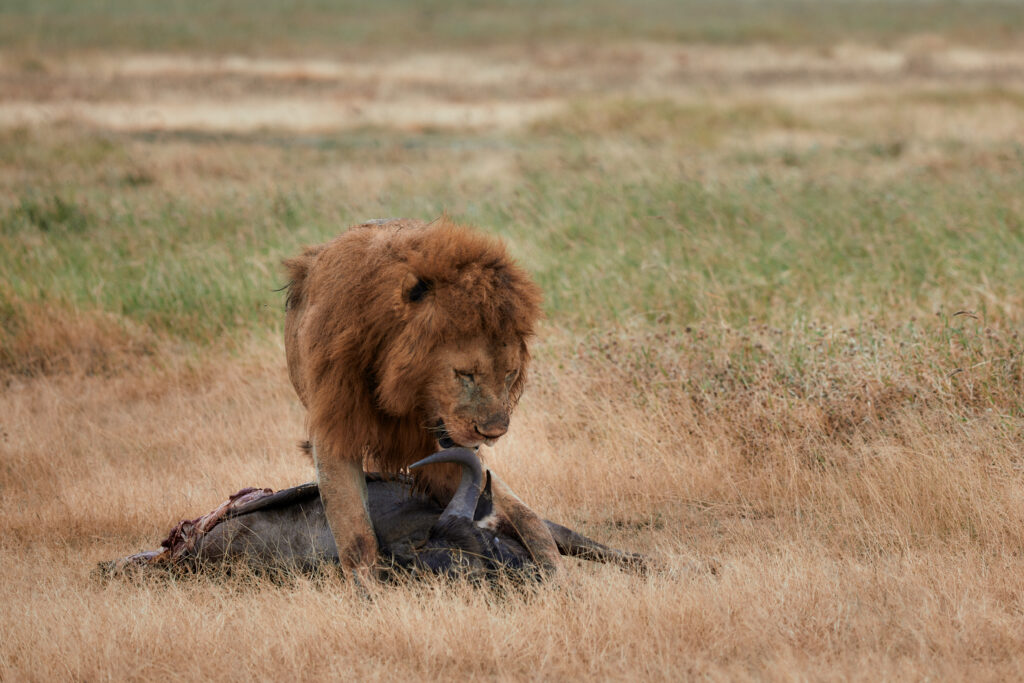
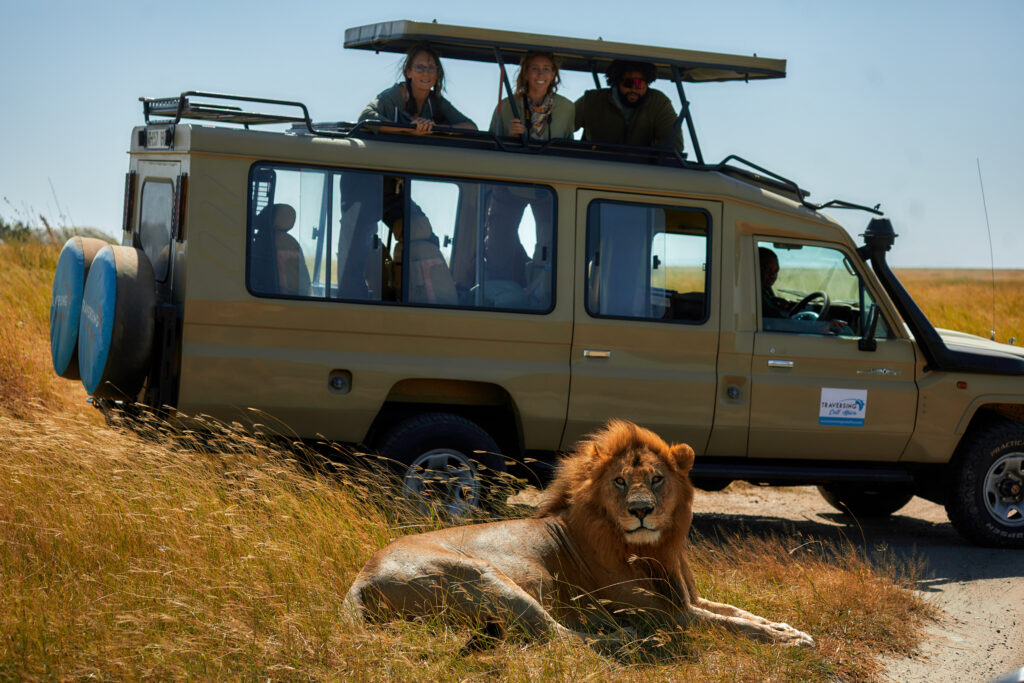
Spend two memorable days exploring the spectacular Masai Mara National Reserve, one of Kenya’s most celebrated wildlife destinations. The reserve is renowned for its open grasslands, abundant wildlife, and excellent opportunities for observing predators in their natural environment. Morning and afternoon game drives provide opportunities to encounter lions, elephants, buffalo, giraffes, zebras, cheetahs, and other species. During the migration season, enormous herds of wildebeest and zebra may move through the wider Mara ecosystem. Beyond wildlife, the landscape itself creates unforgettable photographic opportunities. Two days allow enough time to explore different areas while enjoying the atmosphere and remarkable beauty of Kenya’s famous safari country.
Day 4 – Crossing Into Tanzania
Leaving Kenya behind, continue your journey toward Tanzania and experience the changing landscapes of East Africa. The journey between destinations provides an interesting contrast as you move from the Masai Mara ecosystem toward Tanzania’s renowned northern safari circuit. Depending on the selected route and border arrangements, your safari team will coordinate the transfer and ensure the journey is comfortable. Along the way, you may see rural communities, agricultural areas, and changing scenery. Crossing between the two countries adds another dimension to the adventure, transforming your trip from a single-destination safari into a broader exploration of East Africa’s extraordinary natural and cultural landscapes.
Days 5–6 – Serengeti National Park
Spend two days exploring the legendary Serengeti National Park, an immense ecosystem famous for its open plains and extraordinary concentration of wildlife. The park provides opportunities to encounter lions, elephants, cheetahs, leopards, buffalo, giraffes, zebras, and vast herds of wildebeest. Depending on the season and location, you may also witness dramatic stages of the Great Wildebeest Migration. Extended time in Serengeti allows your guide to explore different areas in search of wildlife and changing seasonal activity. From peaceful sunrise drives to spectacular African sunsets, the Serengeti delivers the classic safari experience through its remarkable scenery, wildlife diversity, and sense of wilderness.
Day 7 – Ngorongoro Conservation Area
Continue toward the Ngorongoro Conservation Area, one of Tanzania’s most spectacular destinations. The journey introduces dramatic highland scenery, open landscapes, and views surrounding the ancient volcanic crater. The conservation area is home to a remarkable variety of wildlife and supports important ecosystems within and around the crater. Depending on your itinerary, you can enjoy scenic viewpoints, cultural experiences, or a relaxing evening at your lodge before descending into the crater the following day. Staying near Ngorongoro also provides an opportunity to appreciate the region’s unique environment without rushing. The combination of scenery, wildlife, and volcanic landscapes makes this destination a highlight of northern Tanzania.
Day 8 – Ngorongoro Crater Safari
Descend into the Ngorongoro Crater for a memorable full-day wildlife experience surrounded by ancient volcanic walls. The crater floor contains grasslands, forests, wetlands, and water sources that support a remarkable concentration of wildlife. During your game drive, you may encounter lions, elephants, buffalo, zebras, hippos, hyenas, and, with luck, the endangered black rhino. The dramatic scenery creates an exceptional setting for photography and wildlife observation. Because many habitats are concentrated within a relatively compact area, visitors can often experience rewarding game viewing during a single day. After exploring the crater, return to your accommodation with unforgettable memories of this extraordinary natural environment.
Day 9 – Departure or Zanzibar Extension
After completing your safari, you can either continue homeward or extend your African adventure with a relaxing beach holiday. Zanzibar is a popular choice for travelers who want to combine wildlife experiences with tropical scenery, white-sand beaches, and the rich cultural atmosphere of Stone Town. A beach extension provides time to slow down after several active days of game drives and travel. Alternatively, travelers with limited time can conclude their journey after the safari and arrange their onward flight. Your final travel arrangements can be customized according to your interests, schedule, preferred accommodation, and whether you want additional exploration before leaving East Africa.
Best National Parks for a Kenya and Tanzania Safari
Choosing the right parks is one of the most important decisions when planning a Kenya and Tanzania safari. Each destination has its own landscapes, wildlife strengths, seasonal highlights, and atmosphere. The Masai Mara is particularly famous for predators and migration activity, while Serengeti offers enormous spaces and diverse wildlife experiences. Ngorongoro provides concentrated wildlife viewing within a spectacular volcanic setting. Travelers can also add destinations such as Tarangire, Lake Manyara, or Amboseli to create greater variety. The best combination depends on your travel dates, wildlife interests, budget, preferred accommodation, and the amount of time available for your East African adventure.
Masai Mara National Reserve
The Masai Mara National Reserve is one of Kenya’s most famous safari destinations and a must-visit for many wildlife enthusiasts. Its expansive grasslands support impressive populations of lions, cheetahs, elephants, buffalo, giraffes, zebras, and numerous other species. The Mara is particularly celebrated for predator sightings and its connection to the wider Great Wildebeest Migration ecosystem. Morning and afternoon game drives provide excellent opportunities to explore the reserve while enjoying changing light and scenery. Beyond wildlife, the rolling plains create spectacular photographic landscapes. A visit to the Masai Mara combines thrilling game viewing, beautiful scenery, and the distinctive atmosphere of Kenya’s iconic safari country.
Serengeti National Park
Serengeti National Park represents one of Africa’s greatest wildlife ecosystems and is central to many Tanzania safari itineraries. Its vast plains, woodland areas, rivers, and seasonal habitats support remarkable wildlife diversity throughout the year. Visitors may encounter large prides of lions, cheetahs, elephants, leopards, giraffes, buffalo, hyenas, zebras, and enormous wildebeest herds. The park is also one of the principal landscapes associated with the Great Wildebeest Migration. Its enormous size means that different regions offer different experiences depending on the season. Whether exploring the central plains or following seasonal wildlife movements, Serengeti offers an authentic wilderness experience defined by space, wildlife, and dramatic African scenery.
Ngorongoro Crater
Ngorongoro Crater is one of Tanzania’s most extraordinary safari destinations, combining spectacular volcanic scenery with exceptional wildlife viewing. The crater was formed from an ancient volcanic structure and now contains a diverse ecosystem of grasslands, forests, wetlands, and water sources. Wildlife found here can include lions, elephants, buffalo, zebras, hippos, hyenas, and black rhinos. The surrounding crater walls create a dramatic backdrop for photography and game drives. Because numerous habitats occur within a relatively compact area, visitors can experience rewarding wildlife encounters during a single excursion. Ngorongoro is especially appealing to travelers seeking impressive scenery alongside concentrated wildlife viewing.
Optional Safari Extensions
Travelers with additional time can expand their Kenya and Tanzania itinerary with several rewarding destinations. Tarangire National Park is known for its magnificent baobab trees, elephants, and seasonal wildlife concentrations. Lake Manyara offers varied scenery and diverse birdlife, while Amboseli in Kenya is famous for its elephant herds and spectacular views toward Mount Kilimanjaro. Zanzibar provides a completely different experience, combining beaches, marine activities, history, and culture. These destinations can be added according to your interests and available travel days. By selecting complementary locations, you can create a more diverse itinerary that combines wildlife, landscapes, culture, relaxation, and adventure across East Africa.
Wildlife You Can Expect to See
One of the greatest attractions of a Kenya and Tanzania safari is the extraordinary variety of wildlife encountered across different ecosystems. The famous Big Five—lion, leopard, elephant, buffalo, and rhino—are among the most sought-after sightings. However, the experience extends far beyond these iconic animals. Travelers can also encounter cheetahs, giraffes, zebras, wildebeests, hippos, crocodiles, hyenas, antelopes, monkeys, and hundreds of bird species. Wildlife sightings are naturally unpredictable, which makes every game drive different. Your guide’s knowledge of animal behavior, tracks, habitats, and seasonal movements can greatly improve your opportunities to observe wildlife while maintaining a respectful distance from the animals.
Luxury vs. Mid-Range Safari Experiences
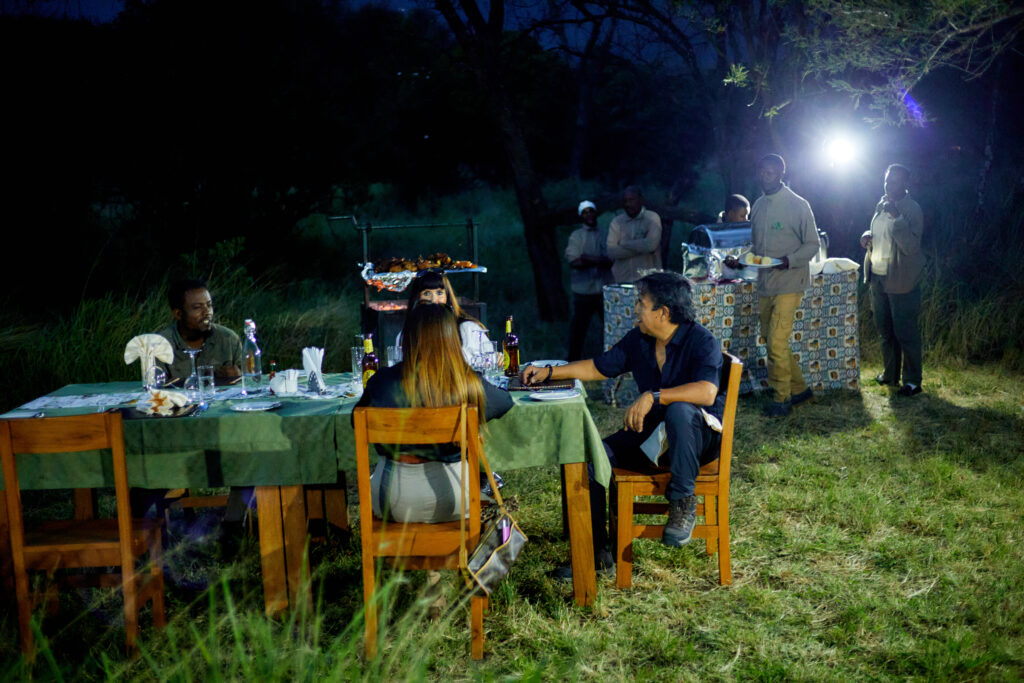
Your accommodation style can significantly shape your safari experience, with luxury and mid-range options offering different levels of comfort and personalization. Luxury safaris generally feature elegant lodges, premium tented camps, private vehicles, refined dining, and personalized service. Mid-range safaris focus on comfortable accommodation, quality meals, professional guiding, and excellent access to wildlife while maintaining better value. Neither option prevents you from enjoying outstanding game viewing. The ideal choice depends on your budget, expectations, preferred level of privacy, and travel style. Whether you choose an intimate luxury camp or a comfortable mid-range lodge, thoughtful planning can create an exceptional safari experience.
Best Time to Visit Kenya and Tanzania
The ideal time for a Kenya and Tanzania safari depends on what you want to experience. The dry season from approximately June to October is widely considered excellent for wildlife viewing because animals often gather around available water sources and vegetation is less dense. This period can also offer opportunities to witness parts of the Great Wildebeest Migration. December through March can provide warm conditions, dramatic landscapes, and excellent opportunities for wildlife and young animals, particularly in Tanzania’s southern Serengeti and Ndutu areas. Because weather and wildlife movements vary, selecting travel dates according to your priorities is essential for creating the right safari experience.
What to Pack for Your Safari
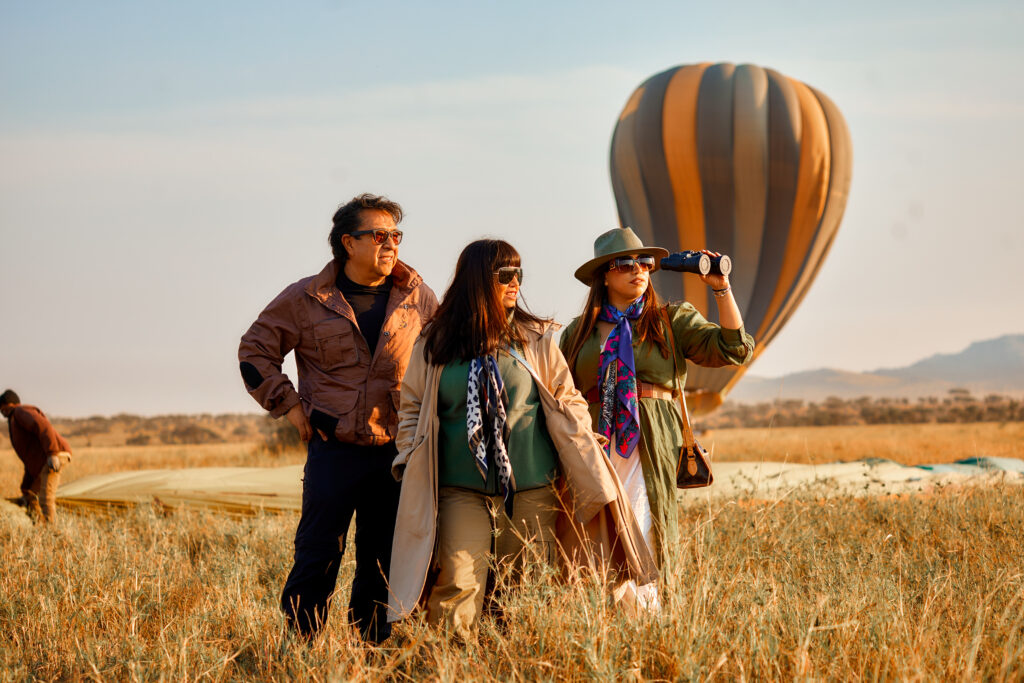
Packing appropriately can make your Kenya and Tanzania safari more comfortable and enjoyable. Lightweight, breathable clothing in neutral colors is practical for game drives and changing temperatures. A warm layer is useful for cool early mornings and evenings, particularly in higher-altitude areas such as Ngorongoro. Comfortable walking shoes, sunglasses, sunscreen, a hat, insect repellent, and a reusable water bottle are also recommended. Wildlife enthusiasts should consider bringing binoculars and suitable camera equipment with extra batteries or power banks. Keep luggage manageable, especially when using small aircraft transfers. Your safari operator can provide additional guidance based on your itinerary, season, and accommodation style.
How Many Days Should You Spend on Safari?
The ideal safari duration depends on how many destinations you want to visit and how relaxed you want your journey to feel. A six- to eight-day itinerary can provide a classic introduction to Kenya and Tanzania, covering major destinations without requiring an extremely long trip. Travelers with nine to twelve days can enjoy a more comprehensive experience with additional time in Serengeti, Ngorongoro, Masai Mara, or other parks. Longer journeys allow for slower travel, more game drives, and greater flexibility when following seasonal wildlife movements. Instead of visiting too many destinations quickly, it is usually better to allow enough time to appreciate each location.
Why Book Early?
Planning your Kenya and Tanzania safari well in advance is especially important if you want to travel during popular seasons. Quality lodges, camps, private vehicles, and preferred safari guides can become limited during peak travel periods and major migration seasons. Early booking also provides greater flexibility when choosing accommodations, routes, flights, and activities. Travelers can work with their safari operator to create an itinerary that matches their budget and interests rather than selecting from whatever remains available. Booking early is particularly valuable for families, honeymooners, photographers, and travelers seeking specific camps or travel dates.
Why Kenya and Tanzania Together Create an Unforgettable Safari
Combining Kenya and Tanzania creates a richer East African adventure by bringing together different landscapes, wildlife habitats, cultures, and safari experiences. From the predator-rich grasslands of the Masai Mara to the immense Serengeti plains and the volcanic beauty of Ngorongoro, every destination adds something distinctive. Travelers can experience diverse ecosystems while following some of Africa’s most remarkable wildlife stories. The journey can also include cultural encounters, scenic drives, luxury camps, comfortable lodges, and relaxing beach extensions. Rather than experiencing one destination alone, a combined itinerary offers a broader understanding of East Africa and creates memories that last long after the journey ends.